Detroit Lions
 |
 |
 |
 |
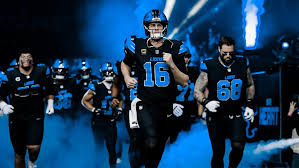
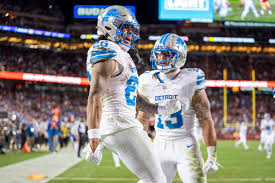
Professional football struggled to take hold in Detroit during the 1920s until 1934, when radio executive George A. Richards purchased the Portsmouth Spartans and moved the team to the Motor City, renaming them the Detroit Lions. The Spartans had already made NFL history by participating in the 1932 championship game that led to key rule changes and the creation of divisional play. Led by star player Dutch Clark, the Lions quickly found success, winning the NFL Championship in 1935 and establishing pro football as a major part of Detroit’s sports culture. The team also began its enduring Thanksgiving Day tradition in 1934, which remains one of the NFL’s most recognized customs.
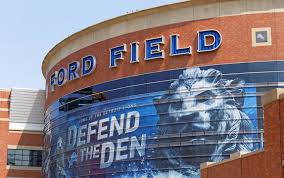
The Lions reached their peak in the 1950s, winning multiple divisional titles and three league championships behind stars like Bobby Layne and Doak Walker. However, after their 1957 title, the team endured decades of frustration, achieving only sporadic playoff appearances until the 1980s and early 1990s, when Barry Sanders helped lead them back to success. The Lions’ home venues evolved alongside their history, moving from the University of Detroit Stadium to Briggs Field in 1938, the Pontiac Silverdome in 1975, and finally to Ford Field in downtown Detroit in 2002, where they continue to represent one of the NFL’s most storied franchises.
|
|
|
|